
NEUROATYPICAL BRAIN
Symposium 2nd Edition
For Experts by Experience and Professionals: Healthcare, Education, Business, Policy
Beyond diagnosis: contextual and preventive approaches for the neuroatypical brain across life and work
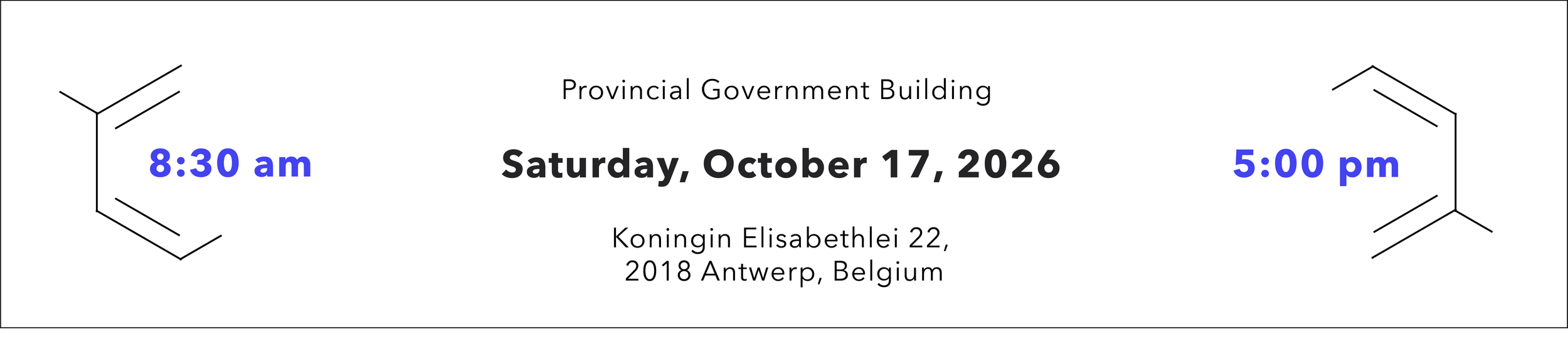
Provincial Government Building Antwerp
Saturday, October 17, 2026 8:30 am - 5:00 pm
The symposium is completely sold out.
Feel free to send us an email if you are interested in a place that may become available at the last minute due to a cancellation. We will contact you if a place becomes available.
International Experts in Psychiatry, Neuroscience & Neurodiversity, educated and trained at leading international universities and academic institutions:


The symposium is completely sold out. Feel free to send us an email if you are interested in a place that may become available at the last minute due to a cancellation. We will contact you if a place becomes available.
The symposium is completely sold out. Feel free to send us an email if you are interested in a place that may become available at the last minute due to a cancellation. We will contact you if a place becomes available.
LOCATION

ABOUT
This symposium explores emerging interdisciplinary approaches to understanding and supporting the neuroatypical brain beyond traditional diagnostic frameworks.
Bringing together international perspectives from psychiatry, ADHD care, neuroscience, contextual mental health, occupational health and preventive healthcare, we examine how neurodivergent functioning is shaped not only by neurobiology, but also by environmental context, stimulus load, cognitive processing, recovery space and workplace dynamics.
THE SYMPOSIUM CONSISTS OF FOUR COMPLEMENTARY PRESENTATIONS
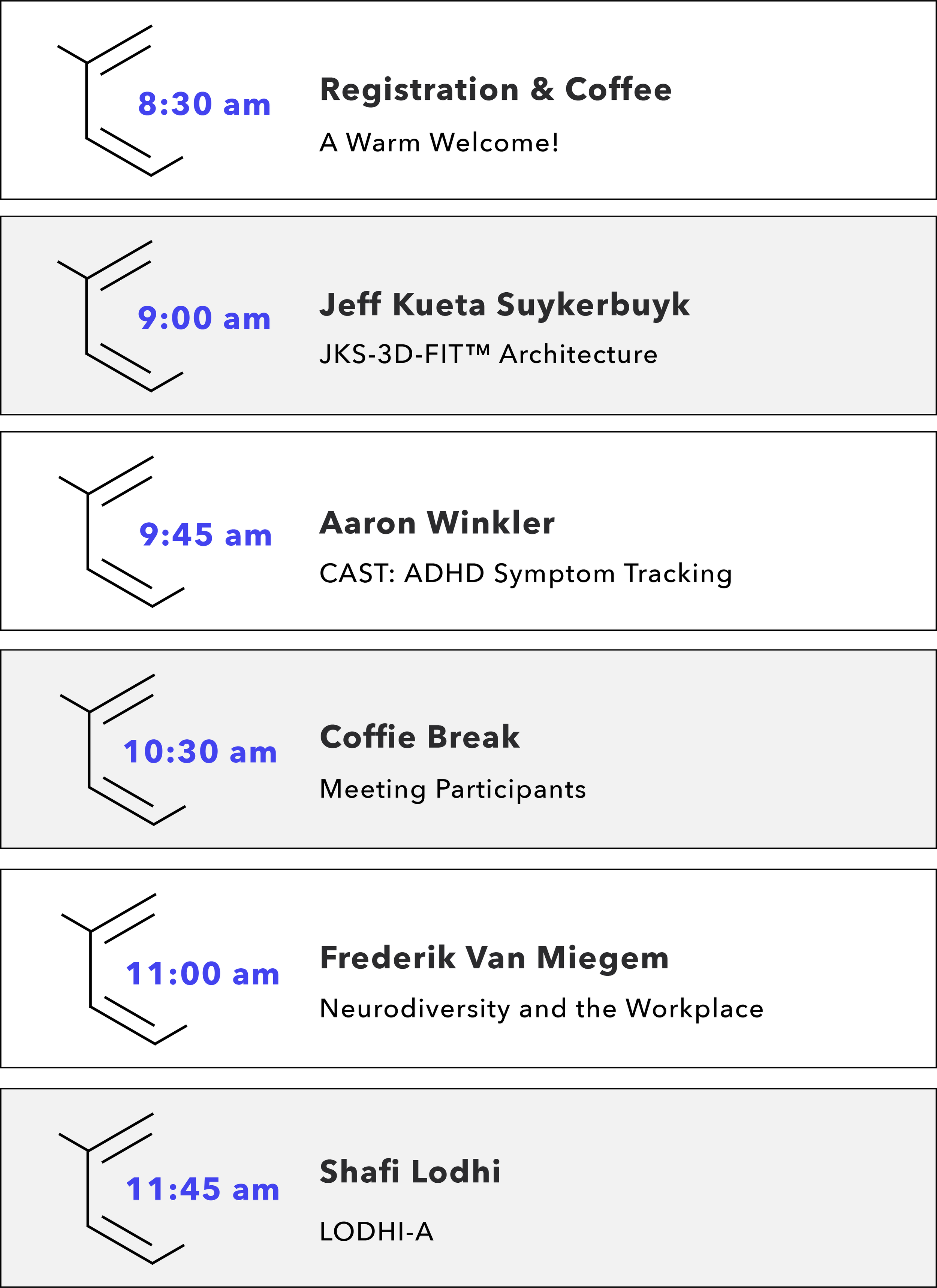
JKS-3D-FIT™ Architecture
An architecture linking context, stimuli, and functioning in the (neuroatypical) brain, supporting the transition from reactive care to proactive support, with resilience at its core.
CAST ADHD
Developed for the Stanford Adult ADHD Clinic, it explores how care can move beyond diagnosis toward longitudinal support, symptom tracking, and proactive intervention.
Highlighting integrative and contextual approaches to ADHD, using conversational techniques to build therapeutic rapport and trace symptoms across the lifespan.
LODHI-A
Explores neurodiversity in the workplace, emphasizing supportive environments, sustainable work, burnout prevention, and psychological safety.
Neurodiversity & Workplace
Accreditation for Ethics & Economics for physicians is being requested
European Accreditation Council for Continuing Medical Education (EACCME)


An institution of U.E.M.S.
National Institute for Health and Disability Insurance

International Clinicians Team Builds a Bridge Between Current Scientific Insights and Clinical Practice

Dr. Van Overloop earned her medical degree at UAntwerp. As chair of Domus Medica and a national policy advisor, she also leads a multidisciplinary primary care practice with ADHD and autism care included.

Dr. Suykerbuyk trained in adult psychiatry at UAntwerp and in child and adolescent psychiatry at UMC Rotterdam. He runs an outpatient practice in Antwerp focused on ADHD and autism across all age groups.

Dr. Winkler, a Board-Certified Psychiatrist based in California, founded the Adult ADHD Clinic at Stanford University. He develops practical tools for clinicians and serves on the U.S. taskforce creating national guidelines for adult ADHD.
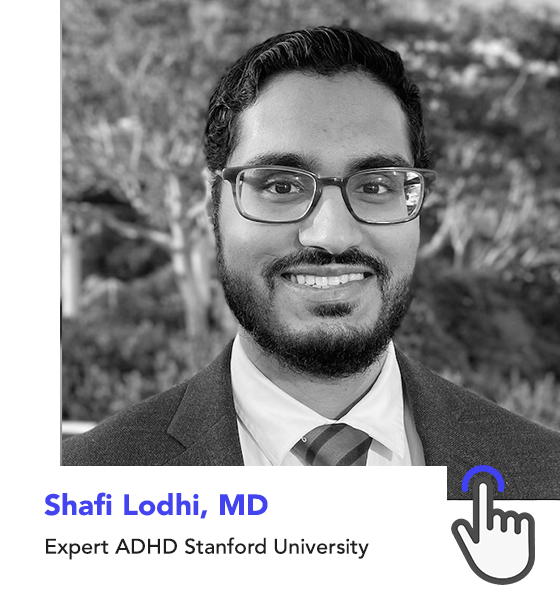
Dr. Lodhi completed fellowships in Neuropsychiatry and Forensic Psychiatry at Stanford University and was a faculty member at Harvard Medical School. He specializes in forensic neuropsychiatry and ADHD.

Dr. Cheney is a Clinical Assistant Professor at Stanford and Director of the Adult ADHD Assessment Clinic. Triple board-certified, she specializes in complex diagnostics and long-term care for ADHD and co-occurring conditions.

Dr. Van Mieghem earned his specialization in occupational medicine at the University of Antwerp (UA). He has over 20 years of expertise in the complexities of integrating and retaining neuro-atypical talent in the workplace.
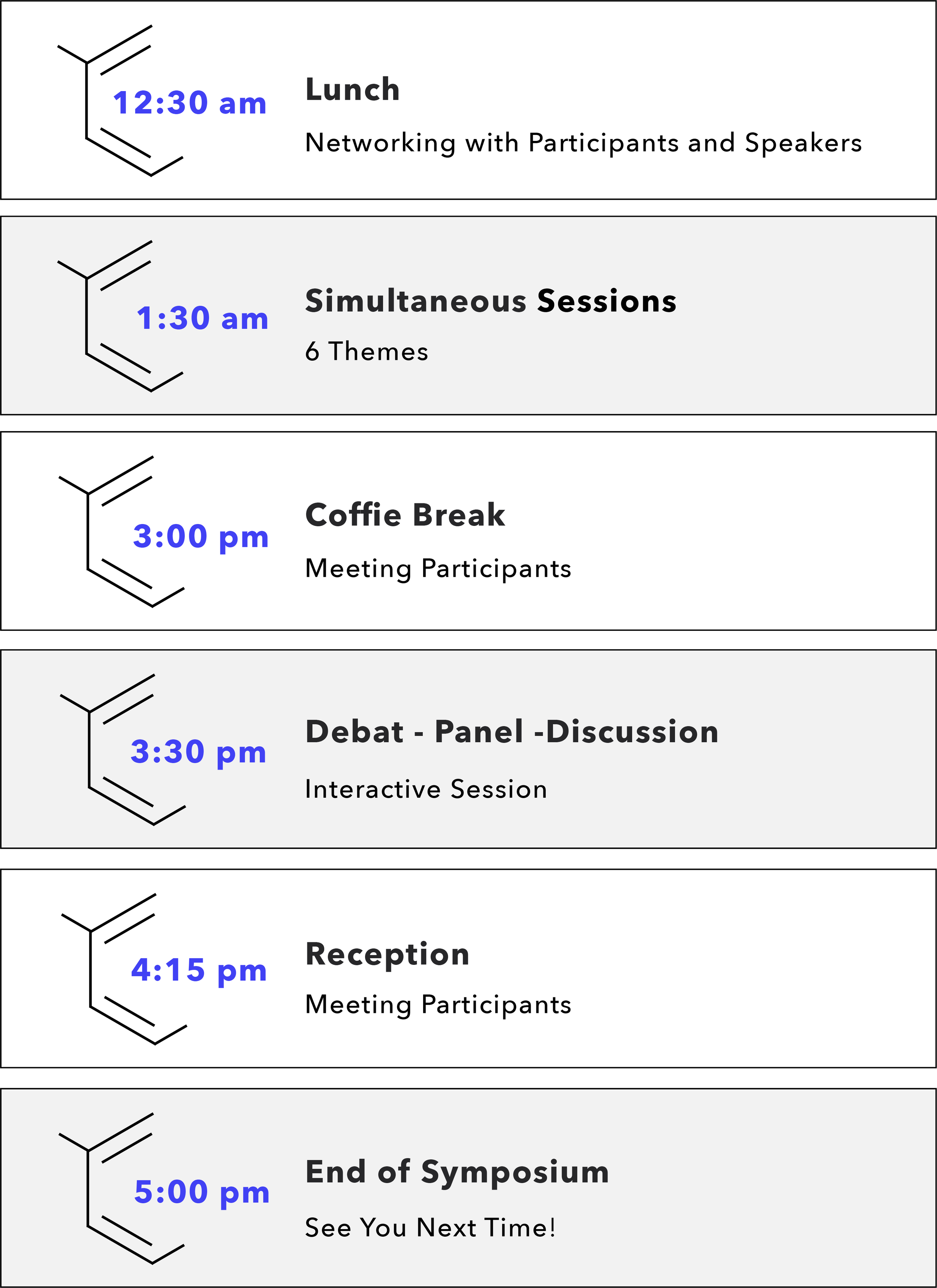
PRELIMINARY SCIENTIFIC PROGRAM
Simultaneous Translation into Dutch will be Provided
Testimonials 1st Edition
-
Perfectly organised! I recommend it strongly.
Marietta Hertoghs, Clinical Psychologist
-
This was an impressive conference with very good speakers and useful information.
Linn van Jole, General Practitioner
-
I was over all very satisfied. Congratulations for the organisation.
Inge Vermeylen, Advisory Physician
-
Everything was very clear and well organised, which was really appreciated. It was definitely worth the money. Compliments to everyone who worked so hard on this, to everyone who contributed to making it happen, and of course to the speakers as well.
Amal El Khattoti, Psychologist
-
It is an incredibly strong and beautifully constructed foundation that is really well put together. The sessions in the morning followed each other logically and connected well. Perhaps the overall logic could be reflected upon or summarised once more?
Jeroen Buys, Consultancy
-
I would like to have more extensive sessions on ASS. Perhaps a follow-up symposium? I found the 'different' approach to ASS very interesting, both during the presentation and during the workshop. I am already looking forward to the next symposium !
Daniella Cuenen, Psychiatrist


